Dry or oily skin: why care should take the microbiome into account


The invisible world on the surface of our body
For decades, traditional cosmetology has taught us to follow a simple classification: skin can be dry, oily, combination or normal. According to this type, we are used to buying jars of creams, lotions and foams. However, modern 4P medicine (personalized, predictive, preventive, patient-centered) proves that this approach is too superficial. Our skin is not just a physical shell, it is the largest organ of our body and a complex ecosystem inhabited by billions of microorganisms: bacteria, fungi and viruses.
As in the gut, microorganisms on our skin form a unique "superorgan" - the microbiome. The interactions between these bacteria form a state of resistance, protect the skin and prevent its colonization by pathogens, forming the so-called "colonization resistance". The type of skin (its moisture level and the amount of sebum) creates a specific "landscape" and "climate" for these bacteria. What is ideal care for oily skin can be a disaster for the microbiome of dry skin, and vice versa. In this article, we will understand how sebum levels affect bacteria, why aggressive cleansing destroys the protective barrier, and how innovative probiotic products - from soaps for dry skin to personalized solutions - are revolutionizing dermatology.
The biology of oily skin: a trap for anaerobes
Oily skin is characterized by excessive sebum (oil) secretion and enlarged pores. Sebum is a natural moisturizer and contains lipids that feed certain types of bacteria.
What happens when there is too much oil? The pores become clogged, and deep within the hair follicle, oxygen levels drop dramatically. This creates an oxygen-free (anaerobic) environment that is ideal for the bacteria Cutibacterium acnes (known as the acne-causing bacteria). Normally, C. acnes is beneficial because it limits the colonization of pathogens (such as Staphylococcus aureus and Streptococcus pyogenes ) by increasing acidity in the follicle by hydrolyzing triglycerides.
However, when overgrown, C. acnes displaces the main defender of our skin, the commensal bacterium Staphylococcus epidermidis . This imbalance instantly triggers an inflammatory process: comedones, pustules, redness, and acute acne appear.
Traditionally, people with oily skin try to aggressively wash off this oil with alcohol-based toners or harsh sulfate gels. But this only makes the situation worse: by "sterilizing" the skin, we kill the remnants of beneficial S. epidermidis , leaving the pores defenseless, and the sebaceous glands in response to stress begin to produce even more oil.

The Biology of Dry Skin: Broken Shield and Inflammation
Dry skin suffers from the opposite problem - a lack of moisture and lipids. The protective lipid barrier is extremely thin or damaged, leading to transepidermal water loss. The skin becomes tight, flaky and easily irritated.
For the microbiome, this means that beneficial bacteria simply have nothing to eat and nowhere to live, because they need moisture and mucin. A decrease in the population of beneficial bacteria creates "empty spaces" that are instantly occupied by pathogens (in particular, the same Staphylococcus aureus ). Since the physical barrier is damaged (microcracks from dryness), allergens and toxins easily penetrate the dermis. That is why dry skin is so often prone to couperose, itching, redness and atopic dermatitis.
Using regular alkaline soap or mass-market cosmetics for dry skin completely washes away the already meager lipid layer, causing the "parchment paper" effect.
The Illusion of Microbiome-Friendly Cosmetics
Today, on store shelves you can find a lot of products labeled "Microbiome-friendly". It sounds promising, but often it is just a marketing ploy. Most of these products simply do not contain aggressive sulfates and have a physiological pH level. They are milder, but they are not able to solve the existing microbial imbalance. They do not contain live protective bacteria.

Functional Care: Ediens Probiotic Soap Line
To truly restore the skin, Ukrainian scientists have developed a functional care line BioMe Cosmetics — cosmetic soap with probiotics. The company's booklet presents specific soap options: for dry skin, for oily skin, against acne, against atopic dermatitis, as well as exclusive personal soap.
Soap for oily skin : This 100% natural vegetable soap perfectly removes excess sebum, cleanses and reduces pores in depth, prevents the appearance of comedones and helps in the process of breaking down acne. Thanks to the glycerin content, it softens, moisturizes and improves elasticity, normalizing sebum secretion without aggressively drying out.
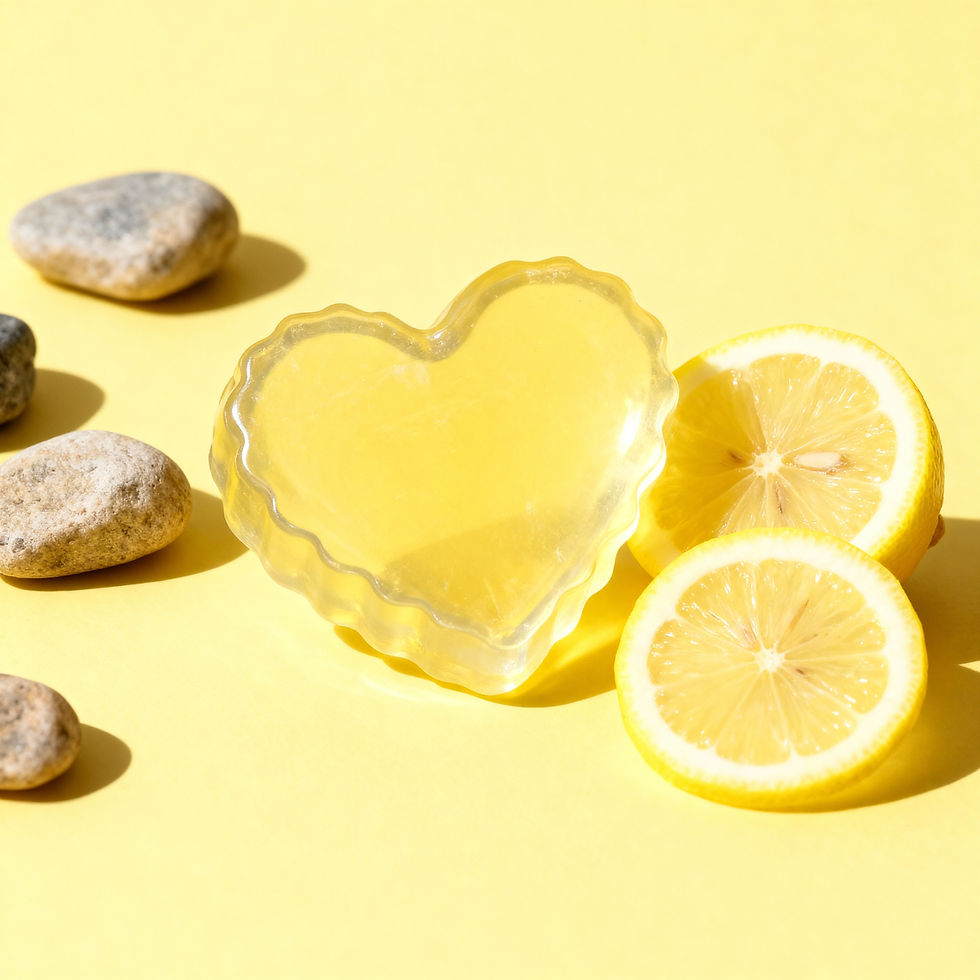
Soap for dry skin type : Honey shaped or massage soap that delicately cleanses pores, moisturizes and restores the balance of dry skin, relieving tightness. Its uniqueness lies in its composition: it contains a clinically proven probiotic strainLactobacillus bulgaricus A22, which takes care of a healthy microbiome and stimulates the renewal of the protective barrier. Additionally, honey cleanses, regenerates, nourishes the dermis and removes redness.
Anti-Acne Soap (Tea Tree): Contains activated charcoal, which acts like a sponge, drawing in impurities and toxins, and the probioticL. bulgaricus A22, which directly inhibits the pathogenC. acnes.
Atopic Dermatitis Soap (Coconut): Ideal for atopic skin. Contains the probiotic strainLactobacillus rhamnosus S25, which works synergistically with beneficialS. epidermidis, stimulating skin renewal and providing deep support for the protective barrier.
The highest level of care: Personal soap
For complex, chronic cases, 4P-medicine offers an unprecedented solution — personal soap , made according to an individual recipe.
The creation of such a product is impossible without accurate diagnostics. Since pathogens (for example, anaerobic bacteria) live deep in the follicles, a simple smear from the surface is ineffective. Ediens scientists collect the material by deep scraping using a sterile scalpel. This allows them to isolate bacteria from the dermal layer, establish an accurate diagnostic relationship between beneficial and opportunistic microorganisms, and determine the cause of the disease (etiology).
After that, the laboratory selects a specific proprietary pharmabiotic antagonist that will destroy your specific infectious agent, and, together with the results of the skin type questionnaire, integrates it into your personal bar or massage base.
Conclusions
Skin is a dynamic ecosystem, the state of which depends on a delicate balance of bacteria. Oily skin type promotes the proliferation of anaerobes and the development of acne, while dry skin type is characterized by a damaged barrier and a tendency to dermatitis and couperose. Regular aggressive cleansing only worsens this imbalance. Real care should be functional and take into account the needs of your microbiome. Using a specialized soap with live probiotics (for dry or oily skin) or creating an exclusive personal soap after a deep diagnosis allows you to not only wash away dirt, but also populate your pores with the right bacteria. Your microbiome is a reliable shield, and its support is the main secret to radiant, healthy and youthful skin.
Short questions and answers (Q&A)
1. Why do dry and oily skin require radically different care from a microbiome perspective?
Answer: Skin type creates a different environment (climate) for bacteria. Oily skin with excess sebum and clogged pores creates an oxygen-free environment in which the acne pathogen ( Cutibacterium acnes ) multiplies rapidly. Dry skin has a broken lipid barrier and lacks moisture, which kills beneficial protective bacteria, opening the way for pathogens that cause dermatitis and flaking.
2. How exactly does "cosmetic soap with probiotic for dry skin type" work?
Answer: It gently cleanses, moisturizes and relieves inflammation. Active ingredients include the probiotic strain Lactobacillus bulgaricus A22 (restores the protective barrier of the microbiome), natural honey (nourishes, softens, removes redness) and glycerin (protects the skin from drying out).
3. What probiotic soap options are available in the Ediens line (booklet)?
Answer: The BioMe Cosmetics (Biocode4U) line has several targeted options: soap for dry skin (with honey), soap for oily skin (for sebum regulation), anti-acne soap (with charcoal and tea tree), soap against atopic dermatitis (with coconut and L. rhamnosus S25 strain ), as well as the ability to order exclusive personalized soap .
4. What is "personal soap" and how is it made?
Answer: Personal soap is an individual cosmetic product. Its creation begins with an in-depth study of the microbiota: using the method of deep scraping from the dermis, microorganisms are isolated and a specific pathogen is found. After that, scientists select an effective pharmabiotic-antagonist and, based on a completed questionnaire about skin type, integrate live bacteria into an individual soap to treat your dermis.
Follow us on social media to follow the latest news here 💜:
Website: www.ediens.me
LinkedIn: www.linkedin.com/ediens
Instagram: www.instagram.com/ediens_official
TikTok: www.tiktok.com/@ediens_official


Comments