Atopic dermatitis and the skin microbiome: what is important to know in care


Atopic dermatitis (AD) is one of the most common chronic inflammatory skin diseases, accompanied by intense itching, redness, dryness and scaling. For decades, classical dermatology focused mainly on genetic factors and external relief of symptoms with hormonal ointments, immunosuppressants and emollients. However, modern 4P medicine (personalized, predictive, preventive, patient-centered) has revolutionized the understanding of this disease.
Today, it has been proven that our skin is not just a physical barrier, but a complex ecosystem, a superorgan inhabited by billions of microorganisms. It is the skin microbiome, in combination with the gut microbiome, that plays a critical role in the development, exacerbation and treatment of atopic dermatitis. Understanding how bacteria interact with our immunity allows us to move from temporarily masking symptoms to deeply treating the root causes of the disease.
Environmental catastrophe on the skin: dysbiosis and Staphylococcus aureus
Normally, the skin microbiota depends on the physiological characteristics of each area, and commensal (beneficial) microorganisms dominate in healthy epidermis. They are directly involved in the formation of the skin's protective barrier, maintain its acidic pH balance and protect against infections. The main protective microbe is Staphylococcus epidermidis (epidermal staphylococcus).
What happens in atopic dermatitis? The skin of patients with AD has a reduced barrier function: it lacks moisture, filaggrin and ceramides. Due to this excessive dryness and microcracks, the ecosystem is destroyed. It becomes difficult for beneficial bacteria to survive, and their place is rapidly taken by the pathogen - Staphylococcus aureus (golden staphylococcus).
Studies show that the overgrowth of Staphylococcus aureus is the trigger that sets off a cascade of allergic and inflammatory reactions on the skin. This bacterium releases toxins that increase itching and destroy the epidermis, causing severe exacerbations of eczema. Traditional aggressive washing or the use of antiseptics often worsen the situation, because together with Staphylococcus aureus, they kill the remains of the beneficial Staphylococcus epidermidis , leaving the skin completely defenseless.

The Gut-Skin Axis: Why External Treatment Isn't Enough
When trying to treat AD with creams alone, patients often fail, as the skin is a mirror of internal processes. The condition of our dermis directly depends on the health of the gut microbiome.
There is a proven connection in the body called the gut-skin axis. If there is an imbalance in the intestines (due to stress, poor diet, taking antibiotics), the number of beneficial bifido- and lactobacilli decreases, and pathogenic microorganisms begin to multiply. This leads to increased permeability of the intestinal wall - toxins and undigested molecules enter the bloodstream, causing low-grade systemic inflammation. The body tries to remove these toxins, and systemic inflammation "hits" the weakest point - the skin, manifesting itself in the form of atopic dermatitis, seborrhea or rosacea.
That is why modern microbiologists emphasize: we cannot effectively treat dermatological problems while ignoring the restoration of intestinal health.
Solutions from within: Niche pharmabiotic "My beautiful skin"
In order to break the vicious circle of inflammation in atopic dermatitis, Ukrainian scientists from the biotech company Ediens have developed an innovative product — a niche pharmabiotic " SKIN MICROBIOME. My Beautiful Skin " .
This is a new generation biologic that comes in the form of capsules for oral administration (internally). Its main goal is to treat the skin from the inside, affecting the root cause through the intestines.
Unique composition: The action of the drug is based on the highly active author's strain Enterococcus faecalis M4-II-I . Each capsule contains at least 108 CFU of viable cells of this probiotic.
Mechanism of action: Bacteria restore the balance of intestinal microbiota, which directly affects the condition of the skin. They normalize local immunity, reduce systemic inflammatory processes in the body and improve overall barrier functions.
Result: Thanks to the regulation of the microbiome, the body effectively gets rid of toxins, which is proven to help reduce the symptoms of atopic dermatitis, eczema, acne, and seborrhea.
This approach allows us to put the disease into stable remission, because we are not just relieving the itching on the surface, but also removing the inflammatory trigger from the bloodstream.

External solution: Cosmetic soap with probiotics against atopic dermatitis
In parallel with internal recovery, atopic skin requires the most delicate cleansing. Conventional alkaline soaps or shower gels wash away the remnants of lipids and beneficial bacteria, turning the skin into dry "parchment".
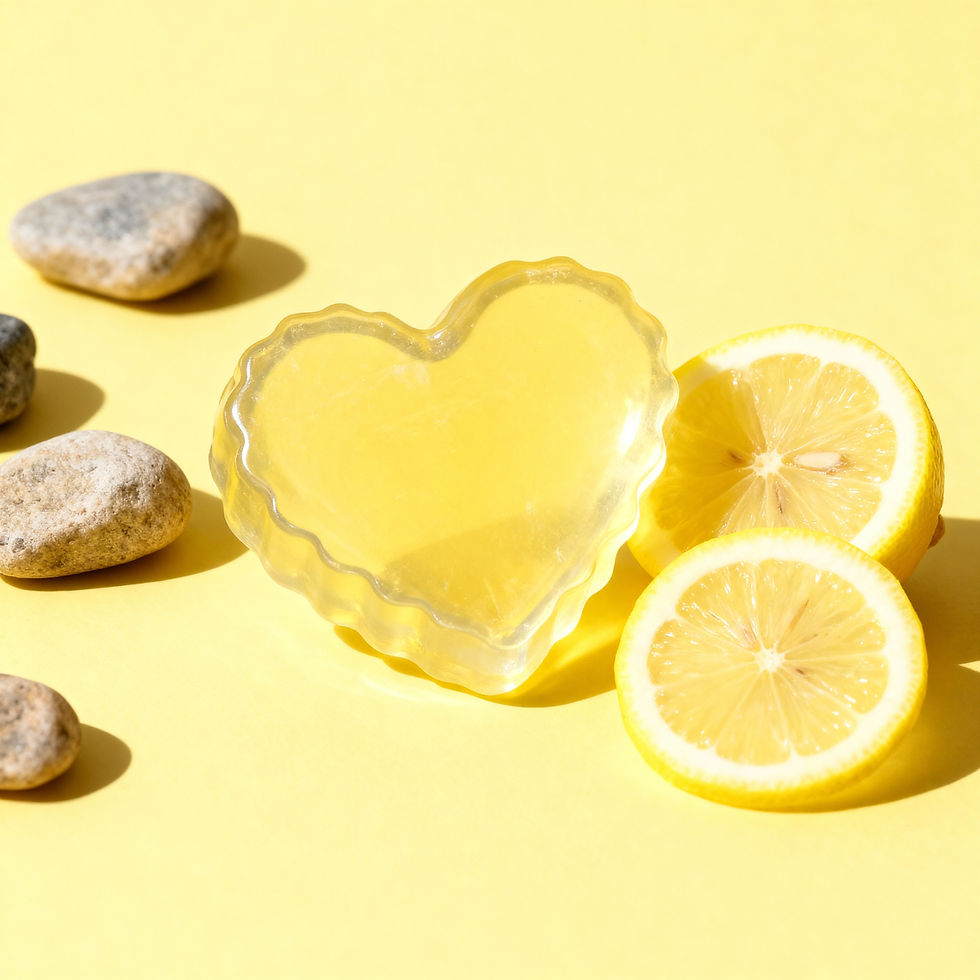
To safely cleanse the dermis and treat it at the same time, Ediens has created a line of functional cosmetics BioMe, the pearl of which is Cosmetic Soap with Probiotics against Atopic Dermatitis .
If you have dry and atopic skin, this soap is the best option that you can use without restrictions.
Bacterial Synergy: The main active ingredient in this soap is the live probiotic strain Lactobacillus rhamnosus S25 . Its uniqueness lies in the fact that it works synergistically with your own healthy microbiome, the bacterium Staphylococcus epidermidis .
Fights inflammation: In vivo clinical studies show that probiotic strains (particularly L. rhamnosus ) can reduce the severity of atopic dermatitis and minimize the proliferation of pathogenic Staphylococcus aureus ( S. aureus ), without harming beneficial microbes.
Barrier restoration: The mild formula of the soap with coconut provides deep cleansing of toxins and allergens, delicately exfoliates dead cells, stimulates skin renewal and provides strong support for its protective lipid barrier.
For people with extremely complex forms of dermatitis, 4P-medicine offers an in-depth microbiota study using a deep scraping method. Based on these analyses, the laboratory can produce a completely personalized soap , integrating into it those specific pharmabiotics that will aggressively destroy your individual pathogen that provokes the disease.
Conclusions
Atopic dermatitis is a complex disease that requires a systemic approach. Aggressive cosmetics only exacerbate dysbiosis on the skin surface, allowing pathogenic Staphylococcus aureus to destroy your epidermis. Modern care should be based on an understanding of the gut-skin axis. The combination of an internal course of pharmabiotics "My Beautiful Skin" to relieve systemic inflammation from the intestines, and the external use of probiotic soap with L. rhamnosus S25 , allows you to restore the natural immune shield. Your microbiome is the main ally in the fight for healthy, moisturized skin without itching and redness.
Short questions and answers (Q&A)
1. What role does Staphylococcus aureus play in the development of atopic dermatitis?
Answer: In patients with atopic dermatitis, the skin barrier function is reduced, it lacks moisture and ceramides. On such dry skin, pathogenic bacteria - Staphylococcus aureus ( S. aureus ) multiply rapidly. It displaces beneficial protective microorganisms (Staphylococcus epidermidis) and releases toxins that provoke acute inflammation, redness and severe itching.
2. Why is it important to take intestinal medications for atopic dermatitis?
Answer: The condition of our skin directly depends on the health of the intestinal microbiome (the gut-skin axis). If there is an imbalance in the intestines, toxins from harmful bacteria enter the bloodstream, causing systemic inflammation. The body signals this through the skin in the form of atopic dermatitis or eczema. Without treating the intestines, external ointments will only give a temporary effect.
3. How does the drug "My Beautiful Skin" help with dermatitis if it is available in capsules?
Answer: This is a niche oral pharmabiotic that treats the skin from the inside. It contains a clinically proven strain of Enterococcus faecalis M4-II-I . Once in the gastrointestinal tract, it restores the balance of intestinal microbiota, improves the body's barrier functions and removes toxins. This physiologically reduces systemic inflammation, which leads to the disappearance of symptoms of atopic dermatitis and skin rashes.
4. What makes Ediens' "Probiotic Soap Against Atopic Dermatitis" unique compared to regular gels?
Answer: Conventional gels often destroy the remnants of the lipid barrier and beneficial bacteria. Ediens soap (with coconut) is a functional product containing a live probiotic strain Lactobacillus rhamnosus S25 . It acts synergistically with the beneficial skin microflora ( S. epidermidis ), suppressing pathogens, stimulating cell renewal and reliably protecting damaged epidermis from drying out.
Follow us on social media to follow the latest news here 💜:
Website: www.ediens.me
LinkedIn: www.linkedin.com/ediens
Instagram: www.instagram.com/ediens_official
TikTok: www.tiktok.com/@ediens_official


Comments