Beauty starts from within: how the gut affects acne, dermatitis and rosacea (and why creams alone don't work)


How much money have you already spent on expensive serums, ointments, scrubs and cosmetic procedures, trying to get rid of acne or rashes? If you do not have serious skin problems, a good cream will definitely not hurt you. But if there is a problem, unfortunately, only external care will not help.
Why?
Because the microorganisms that cause inflammation sit very deep in the hair follicles. But the main reason lies even deeper - in our intestines. Modern science proves: it is impossible to treat the skin without affecting intestinal health, because in our body there is a direct axis "gut-skin".
Let's figure out how the condition of our gastrointestinal tract is reflected on our face and how to properly break the cycle of chronic rashes.
Invisible armor: how the microbiome protects the skin.
Our skin is not just a shell, it is an ecosystem. Interactions between bacteria in the microbiome form the so-called “colonization barrier” – they protect the skin and prevent it from being colonized by pathogens.
For example, beneficial strains of Staphylococcus epidermidis limit the colonization and inflammation caused by Cutibacterium acnes (the main culprit in acne). They do this by increasing the acidity in the follicle. However, when there is an imbalance in the body (particularly in the gut), even beneficial microorganisms can start to provoke skin imbalances.
The condition of your skin is directly related to your gut microbiome. Signs that your skin problem has an internal cause include:
The appearance of papular and pustular rashes.
Red patches with oily scales on the surface (seborrhea).
Itching, swelling, blisters and chronic irritation.
Diagnosed with acne, psoriasis, rosacea (couperosis) and atopic dermatitis.

Real cases: how the intestines “draw” problems on the face
To understand how this works in practice, let's look at two cases from Ediens' clinical practice.
Case 1: Couperose and irritable bowel syndrome
A woman with existing couperose on her face and impaired gastrointestinal function came to the clinic. After an in-depth study of both microbiota (skin and intestinal), the specialists saw a clear picture. On the skin, they found an excess of staphylococcus and enterococcus, which provoked redness and inflammation. And in the intestines at this time there was an excess of opportunistic bacteria (Escherichia coli, pseudomonas) and a critical decrease in its own beneficial bifido- and lactobacteria. Correction result: The patient was prescribed a local drug, an individually selected pharmabiotic for the intestines and a nutrition plan. Soon the concentration of pathogens decreased, and the manifestations of couperose visually significantly decreased.
Case 2: Severe atopic dermatitis and eczema
The client suffered from atopic, solar and seborrheic dermatitis, stress rashes and eczema. After genetic analysis of the intestinal microbiome and the appointment of targeted therapy, the client felt the result on the seventh day: the balance of microflora was restored, the level of inflammatory markers decreased, itching decreased, and the wet areas of the lesions began to visually dry out.

How to treat the skin correctly? The 3P medicine approach
The classic approach of “prescribing antibiotics for acne” or “drinking any probiotic” does not work today. The modern solution to the problem looks like this:
First, you need to take an analysis (deep scraping) of the skin microbiota, and also necessarily examine the intestinal microbiota. This allows you to identify commensal and opportunistic microorganisms to the species and find the true cause (etiology) of the inflammation.
The line of innovative solutions includes a special drug - "Skin Microbiome". Interestingly, it is available in capsule form. That is, you take the drug orally, it colonizes the intestinal mucosa and acts on the skin not directly, but through the "gut-skin" axis. This pharmabiotic normalizes the microbiome, reduces systemic inflammatory processes and improves the barrier functions of the skin.
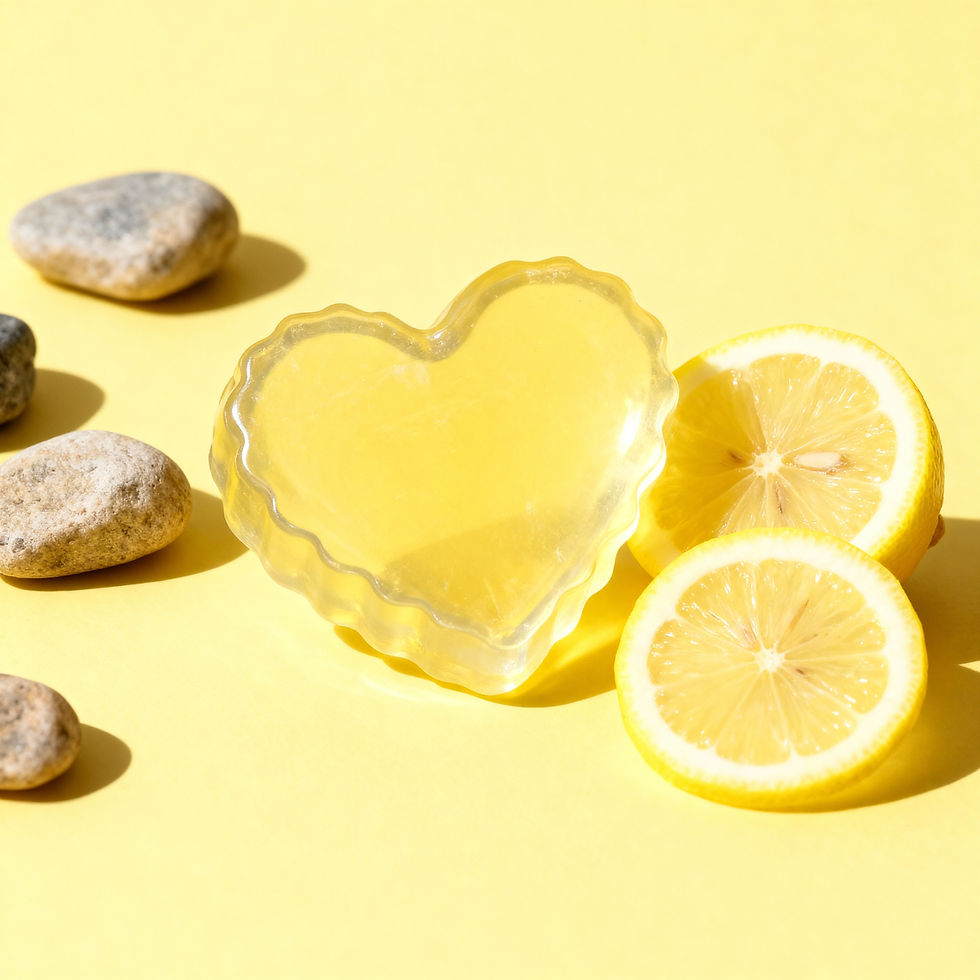
After the analysis, specialists can create an individual cosmetic product for you. For example, soap with probiotics. Its composition (as a base) includes exactly that pharmabiotic that is able to suppress opportunistic bacteria on your skin, without killing your own beneficial microflora. There are also ready-made express solutions: soap against acne, against atopic dermatitis, for dry or oily skin.
Since microorganisms control how we digest food, it is important to consolidate the result with a diet. Based on metabolomic analysis, specialists create an individual nutrition plan. This is a long-term process, but it is it that guarantees stable remission.
Remember:
It is now clear that differences in our microbiome develop throughout our lives. As scientists say, “You get the microbiome you deserve.” If your skin is begging for help, start by restoring the internal balance of your super-organ—your gut.
Follow us on social media to follow the latest news here 💜:
Website: www.ediens.me
LinkedIn: www.linkedin.com/ediens
Instagram: www.instagram.com/ediens_official
TikTok: www.tiktok.com/@ediens_official


Comments