Microbiome after the sea: do salt water, sun and a change in diet affect our “superorgan”?


The illusion of complete recovery
Traditionally, it is believed that a trip to the sea is the best way to "reboot" the body, strengthen the immune system and gain strength for the whole year. We expect that the sea and health are inseparable concepts. However, gastroenterologists and dermatologists record different statistics: after returning from sea resorts, thousands of people complain of acute bloating, bowel movements, skin rashes, exacerbation of allergies and inexplicable fatigue.
Modern 4P medicine (personalized, predictive, preventive, patient-centered) explains this paradox by the reaction of our microbiome. Our body is not just a set of organs, but a giant ecosystem inhabited by about 38 trillion microorganisms. These bacteria get used to a certain "climate", local food and routine. A sudden change in environment, water, food, sleep patterns and level of physical activity becomes a real shock for them. In this article, we will analyze in detail what happens to our bacteria at the resort, why the intestines often "break" after the sea , how salt water affects protective barriers, and how to properly restore the microbiome after a vacation using innovative solutions from the biotechnology company Ediens.

1. Environmental Change: Salt Water, Sun, and the Skin Microbiome
When we arrive at the seaside, our skin is the first to take the hit. The skin microbiome is a complex protective film made up of bacteria (e.g. Staphylococcus epidermidis ), lipids and acids.
Salt water: Seawater is rich in minerals (iodine, magnesium, potassium), which can have an anti-inflammatory effect. However, the high concentration of salt acts as a powerful osmotic agent and natural antiseptic. Prolonged exposure to seawater simply dries out the skin and "washes away" part of our native microflora. If the barrier thins, the skin becomes vulnerable to external pathogens, which can provoke exacerbation of dermatitis or the appearance of small rashes after vacation.
Ultraviolet (Sun): Moderate sun exposure promotes the synthesis of vitamin D, which is critical for gut health. However, excessive UV radiation causes photoimmunosuppression (suppression of local skin immunity) and oxidative stress. Under the influence of the scorching sun and sunscreens (especially with chemical filters), the species balance of bacteria on the skin changes dramatically, which can give rise to the proliferation of opportunistic microbes.
2. Changing food and water: Gastronomic shock to the intestines
The biggest challenge to our inner world is changing our diet. Your gut microbiome is evolutionarily and epigenetically tuned to ferment the foods you eat every day in your region.
New water: Water from another country or region has a completely different mineral and microbial composition. Even if it is perfectly purified, it is “foreign” to your bacteria. Changing the pH and mineral levels in the water instantly changes the structure of the microbial community in your gut.
Exotic food and "All-inclusive": On vacation we tend to experiment: unusual seafood, a huge amount of exotic fruits (rich in fructose), local spicy spices. Add to this the buffet system, where proteins, fats and a large amount of sugar from desserts are mixed in one meal. The intestines lack specific enzymes and the necessary strains of bacteria to break down this unfamiliar food.
Consequences: Undigested food enters the large intestine, where it begins to rot and ferment. Sugary cocktails by the pool and alcohol act as a solvent for the protective mucus (mucin) and become ideal fuel for yeast fungi ( Candida ) and gas-forming pathogens. This is why the intestines so often react after the sea with acute bloating (flatulence), cramps and traveler's diarrhea.
3. Change in regime and activity: Disruption of circadian rhythms
Another invisible factor is changing your daily routine. Our microbiome has its own biological (circadian) rhythms that are synchronized with your sleep and meal times.
Late dinners and jet lag: People at the resort often go to bed later, have dinner at 9:00 or 10:00 p.m., and attend late-night parties. At this time, intestinal motility is physiologically supposed to rest. Food eaten late at night simply lies in the warm environment of the gastrointestinal tract until morning, poisoning the body with fermentation toxins.
Road stress: The road itself (flights, time zone changes, meetings) is stressful. Neurobiology proves that even the slightest stress releases cortisol, which evolutionarily “turns off” digestive processes and suppresses beneficial lacto- and bifidobacteria.
Activity level: If your vacation consists solely of lying on a sunbed, the lack of regular movement will instantly slow down your bowel movements. This leads to stool stagnation and the development of persistent “resort” constipation.
How to Restore Your Microbiome After Vacation: Evidence-Based Solutions from Ediens
Returning home often requires rehabilitation after rest. Conventional diets, fasting, or taking random pharmacy probiotics “blindly” can only worsen dysbiosis. Ukrainian biotechnology company Ediens offers a comprehensive 4P approach to restoring your ecosystem based on 37 years of clinical research.
1. First aid for the gastrointestinal tract: Pharmabiotic " My second brain. Intestinal microbiome " If you are worried about bloating, constipation, heaviness or indigestion after the sea, this new generation biological preparation will help you quickly regain comfort. It contains a high dose (108 CFU) of live, clinically tested strains of lactobacilli in convenient sachets. They purposefully and without conflict suppress pathogenic and fermentative flora that has multiplied on exotic food and cocktails, restore the mucous membrane and normalize intestinal motility in 14 days.
2. Skin restoration: Cosmetics with probiotics To neutralize the effects of aggressive sun and salt water, the skin needs not only hydration, but also restoration of the microbial shield. Ediens has developed a unique soap for dry skin with probiotics (in particular, with the Lactobacillus bulgaricus strain ). It gently cleanses, relieves inflammation after sunbathing and populates the skin with beneficial bacteria, returning it to a healthy balance and radiance.
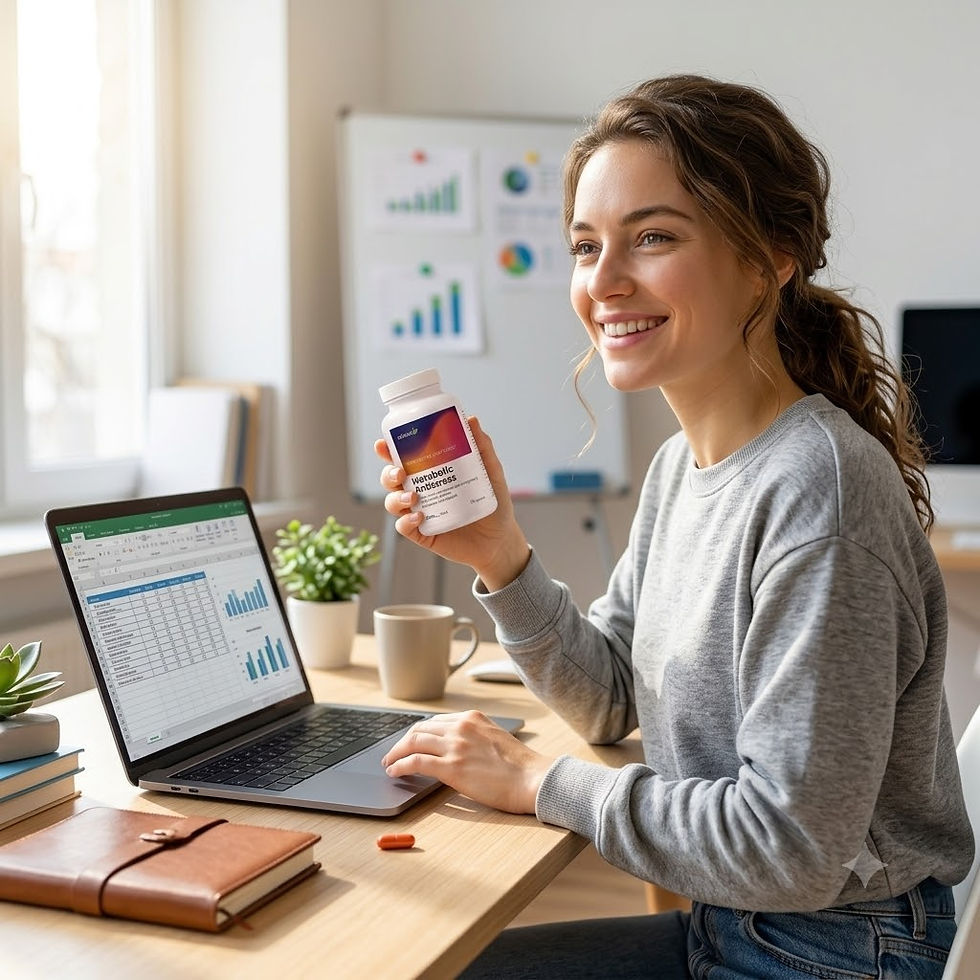
3. Normalization of the regime: Pharmabiotic " Metabolic. Antistress " To quickly enter the work rhythm after vacation, overcome post-vacation depression and the consequences of a disrupted sleep regime, it is advisable to use this drug. It acts through the "gut-brain" axis, physiologically reducing cortisol levels, normalizing serotonin synthesis and helping to restore circadian rhythms.
Conclusions
A vacation at sea is a wonderful time, but it is always a stress test for our body. Climate change, aggressive sun, salt water, unfamiliar food, different mineral composition of water and sleep disorders deal a powerful blow to our microbial ecosystem. As a result, beneficial bacteria die, and pathogens cause bloating, allergies and dermatitis. In order for the microbiome to quickly return to normal after a vacation , it is necessary to abandon aggressive diets in favor of science. Using targeted pharmabiotics from Ediens for the intestines and skin, as well as returning to a personalized local diet, will allow you to preserve only the best memories of the summer and perfect well-being.
Short questions and answers (Q&A)
1. Why does the intestines often suffer from bloating and digestive disorders after the sea? Answer: The main reason is a sharp change in food and water. Your microbiome is adapted to the local diet. Exotic fruits, buffets, different mineral composition of local water, as well as alcoholic cocktails with sugar create ideal conditions for the reproduction of pathogenic and gas-forming microbes. They rapidly ferment unfamiliar food, which causes acute bloating, cramps and traveler's diarrhea.
2. How do salt water and bright sun affect the skin microbiome? Answer: Salt water acts as a strong osmotic agent: it dries out the skin and washes away not only dirt, but also beneficial protective bacteria. At the same time, excessive ultraviolet radiation (sun) suppresses the local immunity of the skin. This thins the protective barrier, making the skin vulnerable to external infections, which can lead to peeling, irritation and exacerbation of dermatitis after vacation.
3. Can a change in your daily routine and activity disrupt your microbiome after a vacation? Answer: Yes, your microbiome has its own biological (circadian) rhythms that are tuned to your usual sleep patterns. Late resort dinners and late-night parties cause food to linger in your intestines until morning (because motility physiologically stops at night). In addition, a decrease in physical activity (lying on the beach) further slows down peristalsis, causing persistent constipation.
4. How to quickly restore the sea and health with the help of Ediens solutions? Answer: For comprehensive recovery, it is worth using evidence-based drugs. The pharmabiotic "My Second Brain. Intestinal Microbiome" quickly suppresses the fermentation flora and eliminates bloating. To restore overdried skin, a special soap with probiotics is suitable , and to relieve post-vacation stress and normalize sleep, the pharmabiotic "Metabolic. Antistress" will give the maximum effect. The transition to a personalized nutrition plan after passing a genetic test.
Follow us on social media to follow the latest news here 💜:
Website: www.ediens.me
LinkedIn: www.linkedin.com/ediens
Instagram: www.instagram.com/ediens_official
TikTok: www.tiktok.com/@ediens_official


Comments