Probiotics vs prebiotics: what to choose and does it make sense to use them?

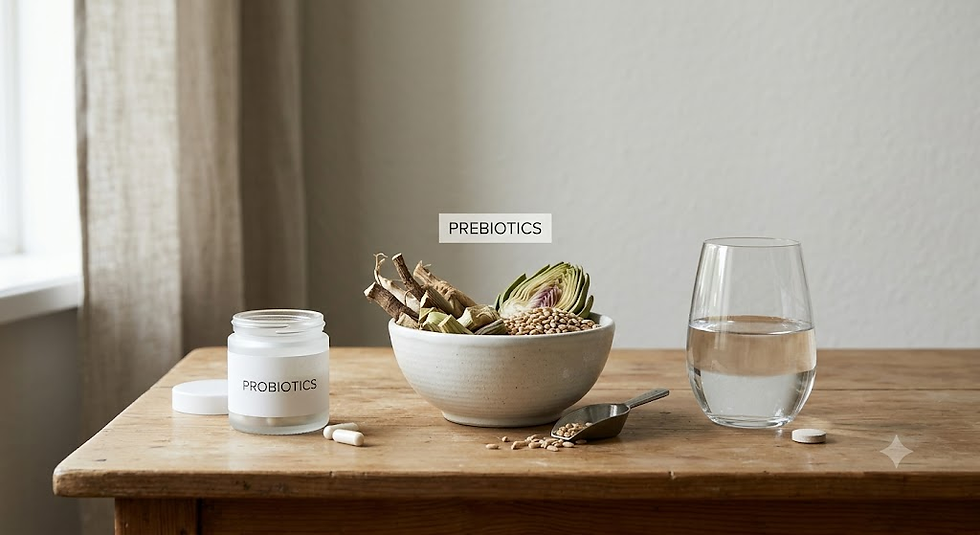
Today, the topic of gut health and the microbiome is heard everywhere. We hear about the need to maintain microflora, drink kefir, buy supplements and eat more fiber. However, it is easy to get confused in this stream of information. On the shelves of pharmacies and supermarkets we are greeted by dozens of bright jars that promise instant improvement in digestion and immunity. But do all these products really work the same?
Modern 4P medicine (personalized, predictive, preventive, patient-centered) views humans as complex “superorganisms.” Our bodies are home to about 38 trillion bacterial cells, which even outnumbers our own human cells. This invisible ecosystem controls our immunity, energy levels, metabolism, and even mood through the gut-brain axis. To maintain this balance, science offers two main tools. But to make the right choice, you need to clearly understand: the difference between probiotics and prebiotics — what it is, how they interact, and when to use each of them.
1. Probiotics: Seeds for your garden
To understand what probiotics are from a scientific perspective, let's look at the official definition. According to the International Scientific Association for Probiotics and Prebiotics (ISAPP), probiotics are live microorganisms that, when administered in adequate amounts, confer a proven health benefit on the host.
Simply put, these are “beneficial bacteria” (most often lacto- and bifidobacteria) that help our body. They do a tremendous job:
They synthesize vital vitamins (K, C, group B, folic acid).
They form "colonization resistance" - that is, they compete with pathogenic (harmful) bacteria and fungi (for example, Candida or E. coli ) for a place under the sun, preventing them from multiplying.
Regulate the immune response (up to 75% of our immunity is formed in the intestines).
The Mass Market Trap: Why then do regular pharmacy probiotics often not work? Most commercial preparations are created “blindly”. They can contain dozens of random strains that, once in the stomach, simply die in the acidic environment or severely conflict with your own microflora. Instead of benefit, you can get even more bloating. Therefore, modern science has moved from regular probiotics to pharmabiotics - drugs with clinically proven effects.

2. Prebiotics: Food for your helpers
If probiotics are seeds, then prebiotics are soil and fertilizer. Prebiotics do not contain living microorganisms. They are specific types of dietary fiber (complex fiber) that our stomach cannot digest on its own. They transit to the large intestine, where they become ideal food for beneficial bacteria.
The undeniable benefit of prebiotics is that they selectively stimulate the growth of your own, beneficial bacteria. When consuming prebiotics, microbes ferment them, releasing extremely valuable substances - short-chain fatty acids (in particular, butyrate, acetate, propionate). These acids nourish the cells of the intestinal walls, relieve systemic inflammation and make the intestinal barrier strong, preventing toxins from entering the bloodstream.
The highest levels of natural prebiotics are found in foods such as artichokes, bananas, asparagus, oats, apples (pectin), pumpkin, and carrots.
What happens without prebiotics?
If you go on a strict, fiber-free diet, your bacteria start to starve. To survive, they start eating away at your own gut’s protective mucus layer (mucin), leading to leaky gut syndrome, allergies, and autoimmune reactions.
3. The main difference between probiotics and prebiotics: what to choose?
The fundamental difference between probiotics and prebiotics is very simple:
Probiotics are the workers themselves (live bacteria) that do the work.
Prebiotics are the food these workers need to live and reproduce.
What to choose?
If your microbiome is relatively healthy and you just want to support it, it is enough to enrich your diet with prebiotics (seasonal vegetables, herbs, fiber). Your own bacteria will multiply and do their job. However, if you have had an illness, taken antibiotics, suffer from acute bloating (flatulence), constipation, acne or chronic stress, prebiotics alone will not be enough (because you simply do not have the bacteria left that could digest this food). In this case, you must first populate the intestines with the right probiotics (or rather, pharmabiotics), and only then actively nourish them.
The most effective approach of 4P medicine is synbiotics (a combination of probiotics and prebiotics in one product). This is when the bacteria enter the intestines immediately with its “dry ration”, which guarantees its 100% survival.

REVOLUTION FROM EDIENS: YOUR PERSONAL BIOHACKING
Ediens is a Ukrainian biotechnology leader backed by 35 years of scientific research. We don’t sell random dietary supplements. We create clinically proven solutions for targeted microbiome correction. If you want to forget about bloating, skin problems, chronic fatigue and excess weight, here is your scientific arsenal:
1. New generation synbiotic: " The first microbiome salad " (Collaboration of Ediens and TM "Zelenyok")
A sharp switch to vegetables in the summer often causes severe bloating, because your intestines are not ready to ferment fiber. We have solved this problem! Our innovative product is a combination of fresh, crunchy lettuce leaves (a powerful prebiotic) and a special sachet with live freeze-dried helper bacteria (a probiotic). You simply add the bacteria to your salad before eating. They are instantly activated and help your body perfectly digest all the plant fibers. The result: maximum vitamins and energy without bloating and fermentation!
2. Niche proprietary Pharmabiotics (Quick solutions with proven effects)
Our pharmabiotics contain patented strains in a huge concentration (108 CFU), which are guaranteed to overcome the stomach barrier and act precisely on target:
🌟 " My second brain. Gut microbiome ": Quickly eliminates chronic inflammation, bloating, constipation and diarrhea. Restores motility and helps safely regulate weight.
🧘♀️ " Metabolic. Anti-stress ": Works through the "gut-brain" axis. Normalizes cortisol levels, eliminates anxiety, improves sleep quality, and stops "stress" fat deposition.
👶 " ProfiLactOr " (for children): Children's supplement for protection against gastroduodenal disorders, rotaviruses and prevention of caries. Strengthens the immunity of babies.
3. Top tier: Ediens Nutrition Plan Personalized Nutrition Plan
There are no universal diets. If you are ready for deep transformations, we offer a genetic (NGS) or cultural analysis of your microbiome. Based on the data obtained and your blood tests, our unique IT algorithm will calculate your personal Nutrition Plan. We will select exactly those traditional and fermented foods that will become the perfect personal prebiotic exclusively for your beneficial bacteria, while suppressing pathogens. This is not a diet - it is your new, healthy lifestyle!
Take a step towards health today with innovations from Ediens!
Q&A: 4 short questions and answers on the topic
1. What are probiotics and how do they differ from prebiotics?
Answer: Probiotics are live beneficial microorganisms (bacteria) that help our digestion and immunity fight infections. Prebiotics are not bacteria, but food for them (various plant fibers). The main difference is that a probiotic “works” in the intestines, while a prebiotic gives it the strength and energy to do this work.
2. What is the main benefit of prebiotics for the body and can we do without them?
Answer: Prebiotics selectively feed our beneficial intestinal bacteria. By digesting fiber, the bacteria secrete valuable acids (butyrate) that relieve intestinal inflammation, improve mood, and prevent obesity. It is impossible to do without them: if the bacteria are not given prebiotics, they will begin to destroy the protective mucous layer of your own intestines.
3. Why do regular probiotics from the pharmacy often not help with bloating or diarrhea?
Answer: Conventional mass-market probiotics are often prescribed blindly and contain random strains that can compete with your native microflora, causing even more inflammation. For real results, you need pharmabiotics (like the Ediens line) - clinically proven drugs based on 35 years of research that target and eliminate pathogens without conflict.
4. What is a synbiotic and why is Ediens’ “First Microbiome Salad” called a revolution?
Answer: A synbiotic is a drug or product that combines both a probiotic (live bacteria) and a prebiotic (fiber). The “First Microbiome Salad” works like this: you get fresh lettuce leaves and a sachet of live helper bacteria. By mixing them together before eating, you ensure that the bacteria are instantly activated and easily break down the greens directly in your intestines, completely eliminating the risk of fermentation and flatulence.
Follow us on social media to follow the latest news here 💜:
Website: www.ediens.me
LinkedIn: www.linkedin.com/ediens
Instagram: www.instagram.com/ediens_official
TikTok: www.tiktok.com/@ediens_official


Comments