Summer diet for microbiota: what to add to your plate in June

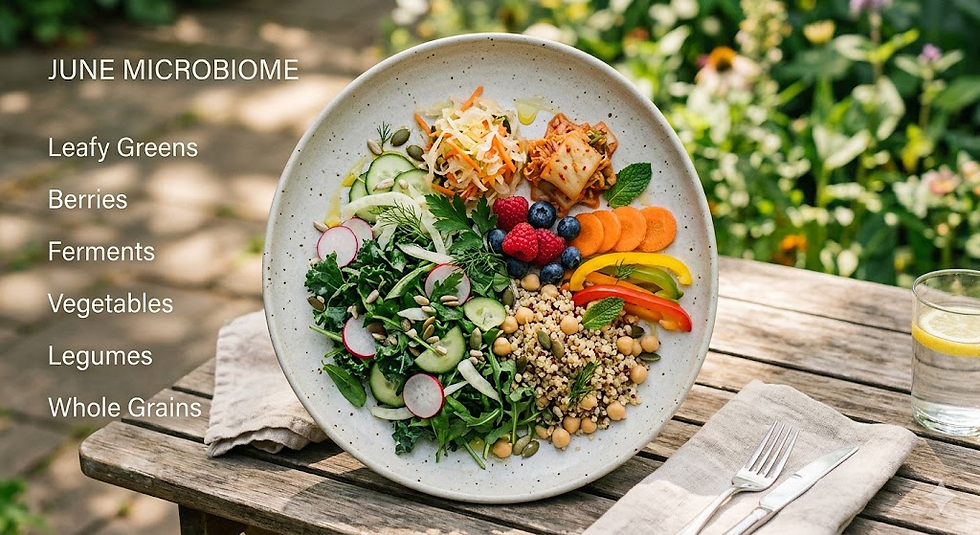
June is a time to renew your internal "superorgan"
The arrival of summer is traditionally associated with a change in diet: heavy winter food is replaced by fresh vegetables, herbs, and the first berries. For our body, this is not just a change in menu, but a critically important stage in the renewal of the gastrointestinal tract (GI) and its main "superorgan" - the intestinal microbiome.
Modern science proves that changes in diet and eating behavior are determining factors of our health, since first of all we provide nutrition to our own microorganisms. In fact, they dictate and condition our food preferences. After winter and spring, when the diet is dominated by thermally processed foods with a low fiber content, our microbiota is often in a state of exhaustion. Bacteria responsible for the fermentation of plant fibers reduce their population. It is in June that nature gives us the best tools to restore this balance. However, a sharp transition to a vegetable diet hides a danger.
In this article, we will figure out which June superfoods our bacteria love the most, why fresh salads sometimes give us a stomach ache, and how an innovative product — " The First Microbiome Salad " — helps make summer eating as comfortable and healthy as possible.
June's Real Superfoods: What Your Bacteria Love
To maintain the biodiversity of the microbiome, it is necessary to consume different types of dietary fiber every day. When we talk about "food for bacteria," we mean prebiotics - specific plant fibers that are not digested in the stomach, but reach the large intestine, where they become a nutrient substrate for beneficial microflora.
According to research, the favorite foods of our bacteria (our "microbiotic restaurant" customers) include cherries, berries, bananas, asparagus, chicory, leafy greens, cruciferous vegetables, and legumes. In June, you should pay special attention to the following seasonal foods:
Asparagus: Consuming asparagus as part of a high-fiber diet is a great way to meet your fiber needs. Asparagus promotes regularity and digestive health, and may also help reduce the risk of conditions like heart disease, high blood pressure, and diabetes.
Artichokes: This delicious vegetable is rich in fiber, which feeds gut bacteria, relieving constipation and helping to alleviate other digestive issues. Additionally, artichokes contain a powerful prebiotic called inulin.
Leafy greens: Spinach, arugula, kale, and a variety of salads contain a huge amount of nutrients, like folate, vitamins C, K, and A. More importantly for our microbiome, leafy greens contain a specific type of sugar that specifically promotes the growth of healthy gut bacteria.
First summer berries (cherries, strawberries): Berries are an excellent source of antioxidants and polyphenols, which have the ability to positively change the composition of the intestinal microbiota, stimulating the growth of bifido- and lactobacilli.

The trap of abrupt transition: why does bloating occur?
It would seem that what could be better than abruptly starting to eat big bowls of fresh summer salads? However, gastroenterologists and nutritionists warn of a trap: if your diet was previously low in fiber, your microbiome is not ready for the sudden load.
Complex plant fibers (e.g., lignin) require specific microorganisms to break them down. If there are not enough of these beneficial bacteria in the intestines, undigested fiber begins to be fermented by opportunistic flora. This provokes excessive gas formation (including methane and sulfides), severe bloating (flatulence), pain and cramps. Therefore, introducing large amounts of fiber into the diet should be done gradually, or using "smart" functional foods that help the body adapt.
Innovation on your plate: “The first microbiome salad”
A real revolution in the field of functional nutrition was the collaboration of the Ukrainian biotechnological company Ediens and agricultural producers (TM "Zelenyok"). Scientists created a unique product - " The First Microbiome Salad " .
What makes it special and why is it the perfect choice for a summer menu? Regular supermarket greens are just a prebiotic (substrate). "First Microbiome Salad" is a complete synbiotic product. It combines fresh lettuce leaves (which contain valuable polyphenols and fiber) with a special sachet (bag) containing live freeze-dried microorganisms.

Mechanism of action of the "First Microbiome Salad":
Activation: The consumer washes the salad, prepares it for consumption and immediately before eating adds the contents of the bacteria sachet. The bacteria are instantly activated, entering an ideal nutrient environment for themselves.
Synergy: The live bacteria that come with the salad immediately start helping your intestines break down the complex fibers in the greens. This physiologically prevents the fermentation and gas formation that often occur with regular high-fiber consumption.
Mucosal health: The fiber in fresh lettuce acts as an ideal nutrient medium for microbes. Consuming this functional product improves skin condition from the inside and significantly reduces systemic inflammation of the mucous membranes.
Thanks to this product, you can get all the benefits of fresh summer greens without any discomfort or heaviness in your stomach, as the salad "comes complete" with its own digestive system.
Personalized approach: 4P medicine
Despite the enormous benefits of seasonal vegetables and salads, modern medicine emphasizes that there are no universal diets. What is ideal for one person may cause discomfort for another. The bodies of different people extract different nutrients and different amounts of energy from the same product.
The best way to restore a disrupted gut microbiota is through algorithmic selection of individual foods and a personalized plan. This selection is based on a deep molecular genetic analysis of the gut microbiome and the patient's individual profile.
A special algorithm allows you to calculate a diet that significantly uses traditional local products, fermented foods and drinks, where plant ingredients act as prebiotics, and microbial starters (probiotics) enhance this effect. An individual nutrition plan adapts to the existing "bouquet" of diseases (be it obesity or diabetes) and determines which vegetables, fruits and spices should be consumed much more often for targeted correction of your microbiota.
Conclusions
June is the perfect month to take care of your "superorgan". Enriching your diet with fresh herbs, asparagus, artichokes and seasonal berries allows you to saturate your beneficial microflora with vital fiber and polyphenols. However, to make the transition to the summer menu go without bloating and discomfort, it is worth using a scientific approach. Adding the innovative "First Microbiome Salad" from Ediens to your diet will provide the perfect synergy of plant fibers and live helpful bacteria. And to solve chronic problems with digestion or weight, the best solution will be personalized genetic diagnostics of the microbiome with the creation of an individual nutrition plan. Your microbiome is the basis of your longevity, energy and daily comfort.
Short questions and answers on the topic (Q&A)
1. Why is it so important to add more fresh greens and vegetables to your diet with the onset of summer?
Answer: Dietary changes are a determining factor in our health, as we primarily feed our microorganisms. In winter, bacteria suffer from a lack of fiber. Summer vegetables (asparagus, artichokes) and leafy greens contain prebiotic fibers and specific sugars that feed beneficial bifido- and lactobacilli, restoring intestinal barrier function and overall immunity.
2. What is the “First Microbiome Salad” and what makes it unique?
Answer: This is an innovative synbiotic product created in collaboration between Ediens scientists and agricultural producers. A special sachet of live freeze-dried bacteria (probiotic) is added to fresh lettuce leaves (prebiotic, rich in polyphenols). When mixed before a meal, the bacteria are activated and help to easily break down fiber, eliminating the risk of bloating.
3. What seasonal foods in June are the biggest "superfoods" for our gut bacteria?
Answer: The microbiome's best friends are asparagus and artichokes (rich in the prebiotic inulin, which reduces the risk of heart disease and digestive problems), leafy greens (spinach, arugula), and the first summer berries (cherries, strawberries), which are a source of powerful antioxidants and polyphenols.
4. Why does a sudden switch to summer vegetable salads often cause severe bloating?
Answer: If the body has been low in fiber for a long time, the beneficial bacteria that can break down complex plant fibers (lignin, pectin) significantly reduce their population. When you suddenly eat a lot of lettuce, the unprepared microbiome cannot digest it adequately, which causes fermentation processes with the participation of gas-forming flora (flatulence and cramps). That is why it is necessary to introduce greens gradually or with the help of products such as microbiome lettuce.
Follow us on social media to follow the latest news here 💜:
Website: www.ediens.me
LinkedIn: www.linkedin.com/ediens
Instagram: www.instagram.com/ediens_official
TikTok: www.tiktok.com/@ediens_official



Comments